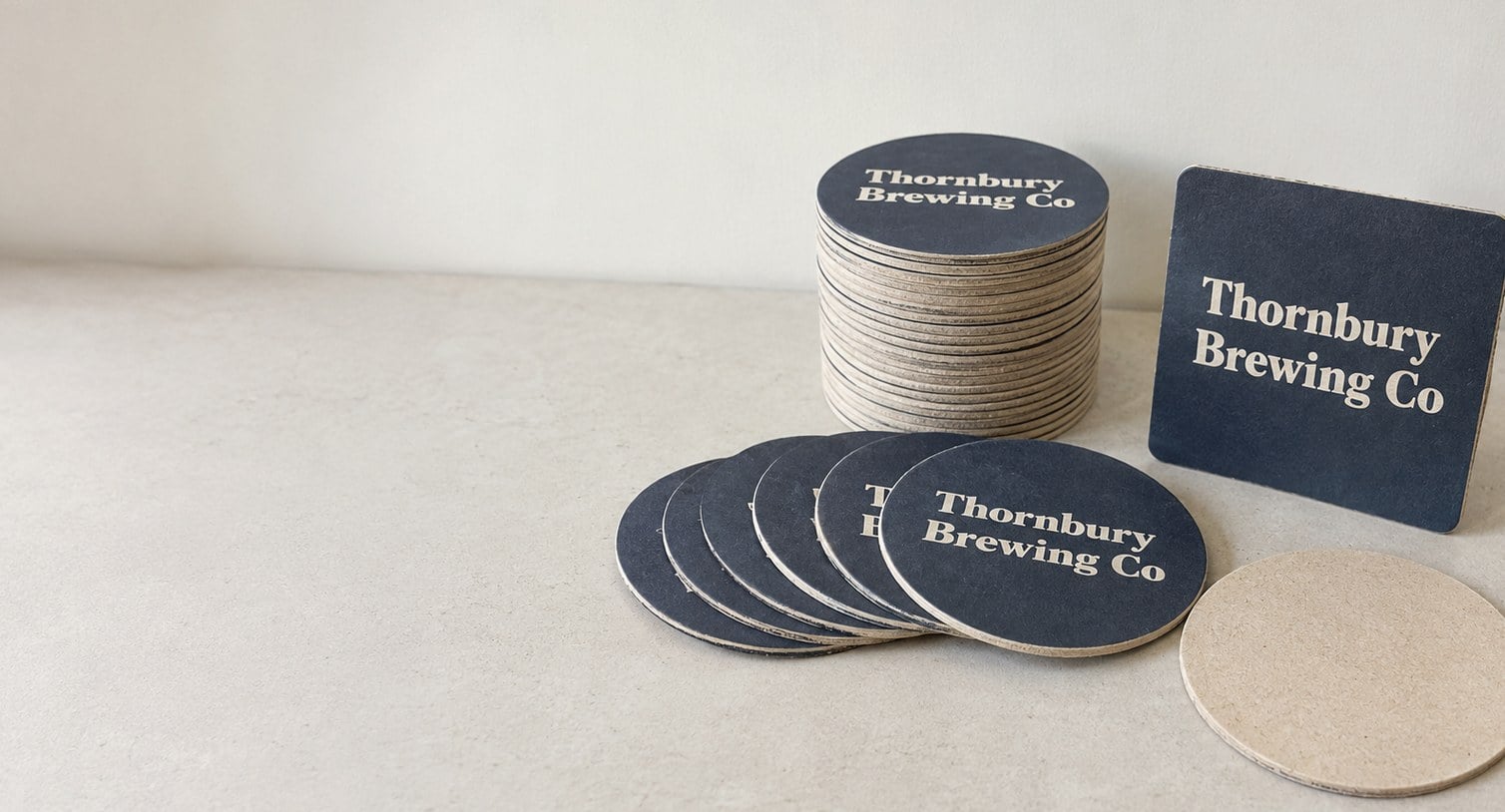
Custom bar coasters, printed in bulk.
We print custom pulpboard bar coasters — round, square, die-cut, heavyweight, recycled and two-sided campaign mats — with the board grammage, the caliper and the grain direction all named on the quote, from 12 packs up.
Free custom artwork in 24 hours · Low price guarantee
As trusted by





Every style, one supplier
Pick a style below, and we will provide free design help and a mockup within 24 hours.
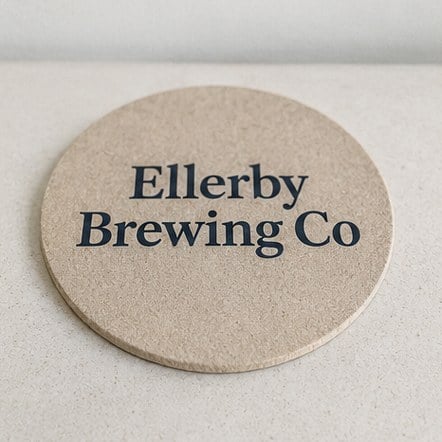
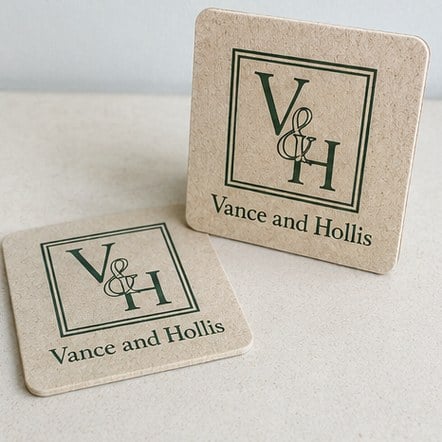
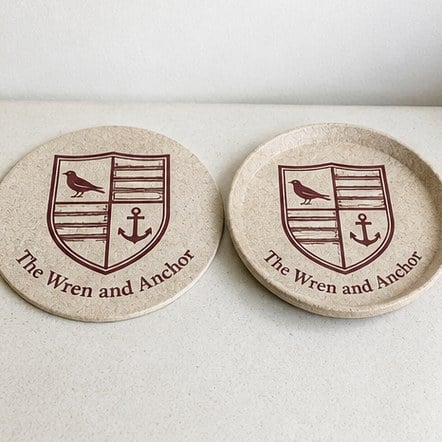
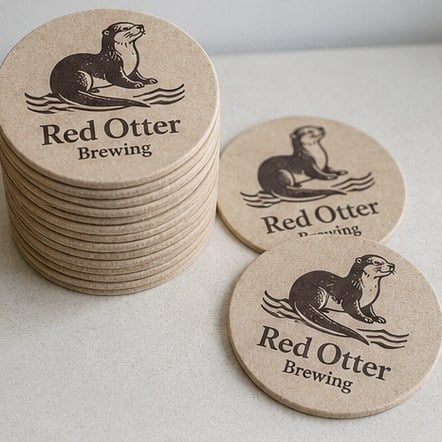
Two-Sided Campaign Coasters
The back is the point — the one advert people pick up and turn over.
Learn More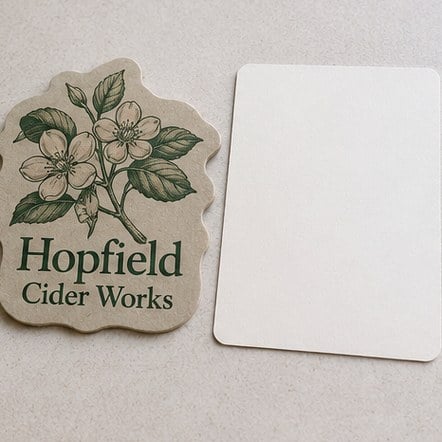
Recycled & Compostable Board Coasters
Recycled fibre and home-compostable board, with the claim in writing.
Learn More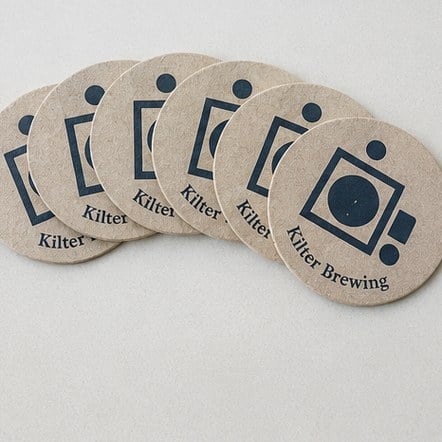
Brewery & Bar Supply Runs
Pallet quantities on a held spec, split across every account you supply.
Learn MoreEvery drink you serve sits on one. Make sure it is your name under the glass.
Four steps from your logo to fully branded bar coasters
Send your brand
Brand name, logo file, colors, and product preference. No print-ready art? Send a photo or PDF — our designers rebuild it clean and print-ready.
Mockup in 24 hours
We send free design directions rendered on your bar coasters. Revise as many times as you need — always free until you’re happy.
Approve & pay
Lock the design, confirm quantity and options, then pay. Production starts the same day.
Ship in 2 weeks
Standard production ships in about two weeks — faster turnaround available with express shipping.
Made for the moments that matter
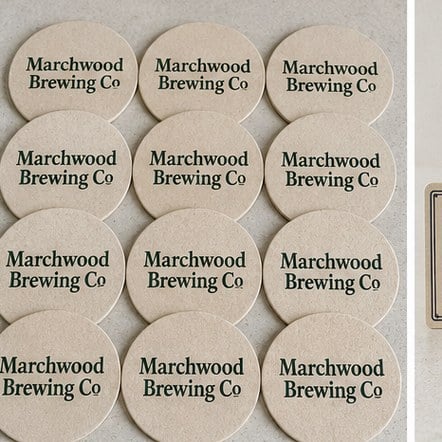
Breweries & Craft Beer
The mat that travels with the keg — board on file, cases split by account.
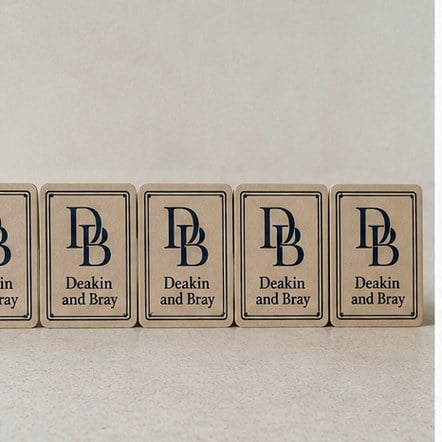
Pubs & Inns
House mats specified to stay flat through a full session.
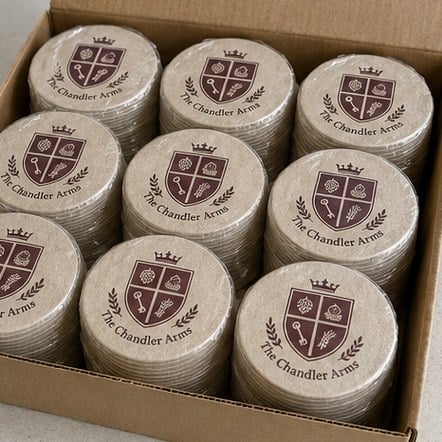
Restaurants & Bistros
Squares and shapes that sit right on a laid table.
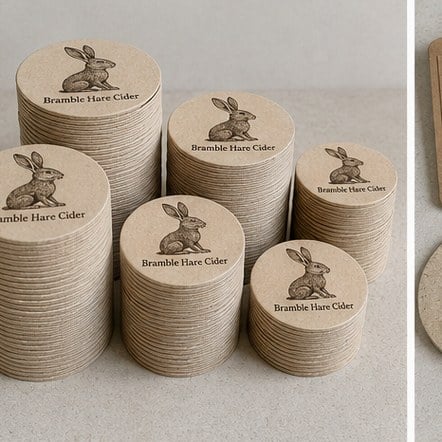
Hotels & Lounges
Heavyweight board for rooms that are judged on their details.
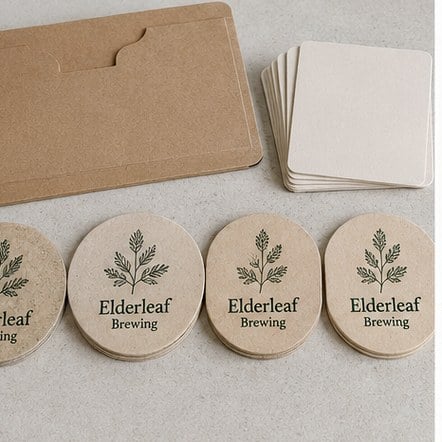
Beer Festivals & Halls
Volume runs with the programme printed on the reverse face.
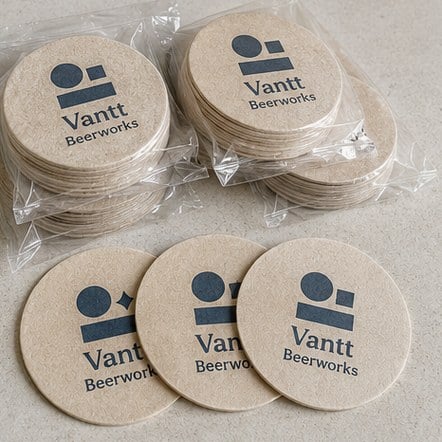
Agencies & Brand Campaigns
Two-sided placements people voluntarily pick up and read.
Loved by the brands that order them
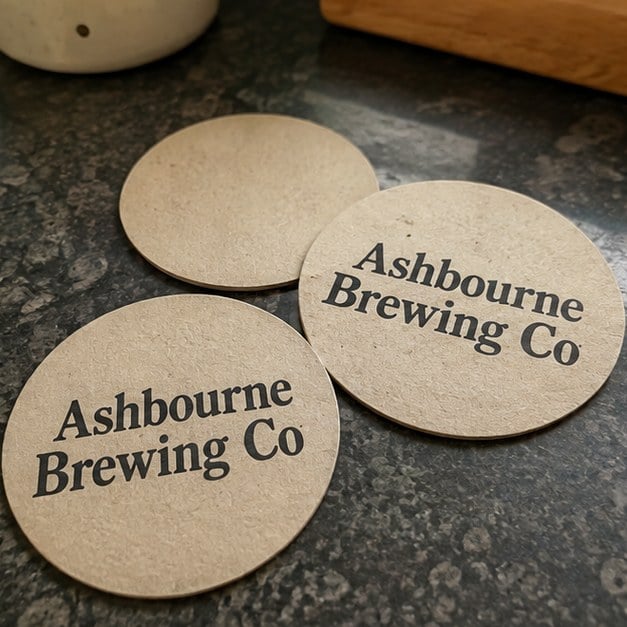
“Wet one of our old mats like the site says. Dished in ten minutes.”
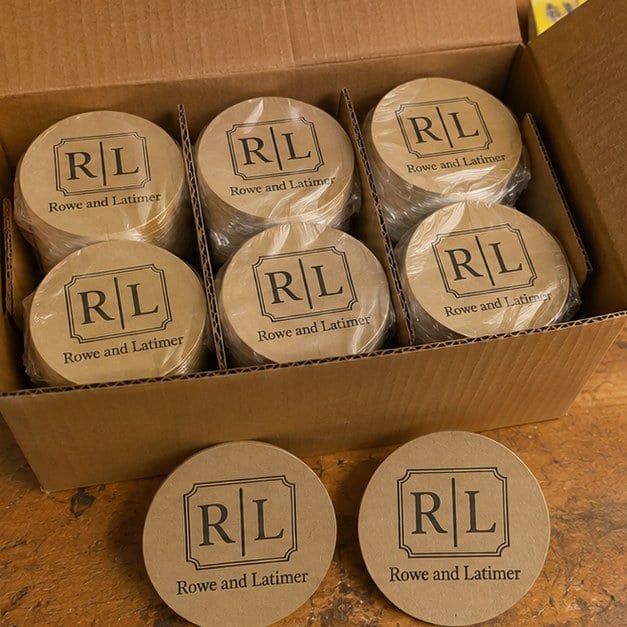
“Grammage and caliper both on the quote. Nobody had ever given us either.”
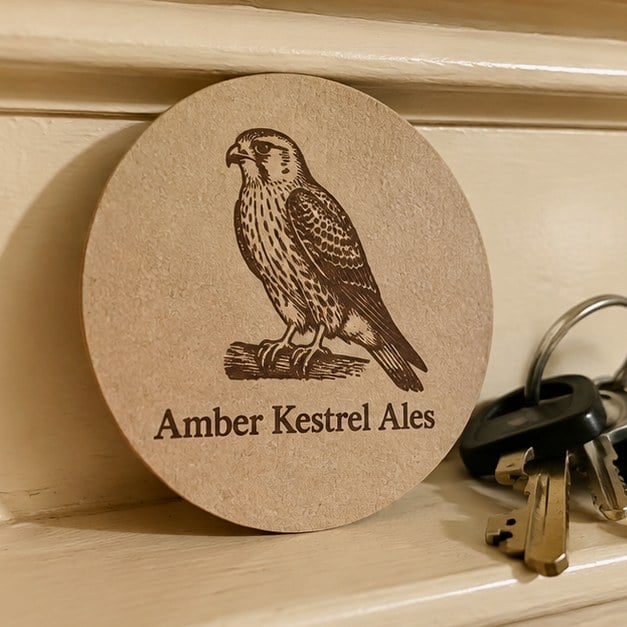
“The reverse-side quiz got talked about across the whole taproom.”
Your brand, out in the world
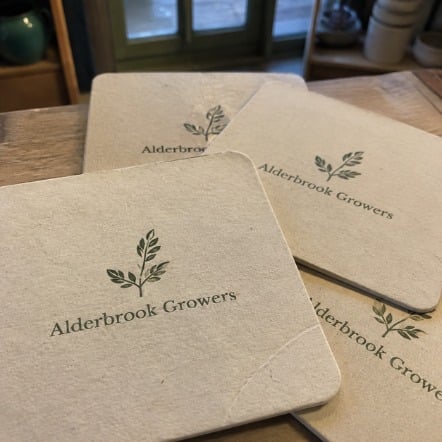
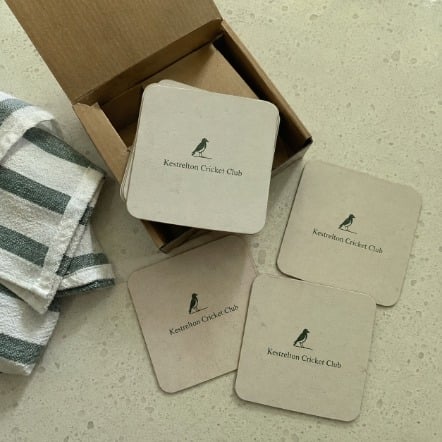
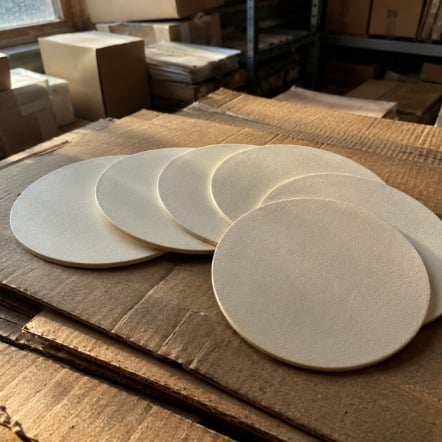
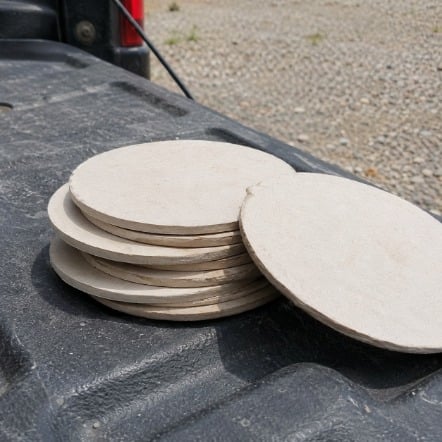
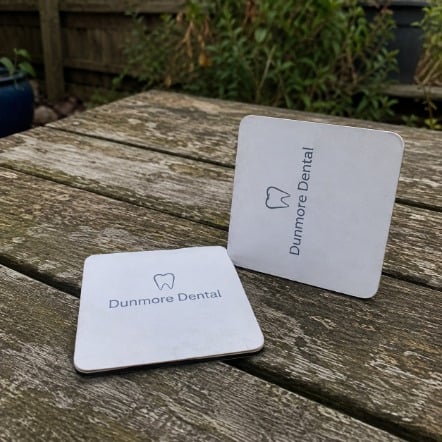
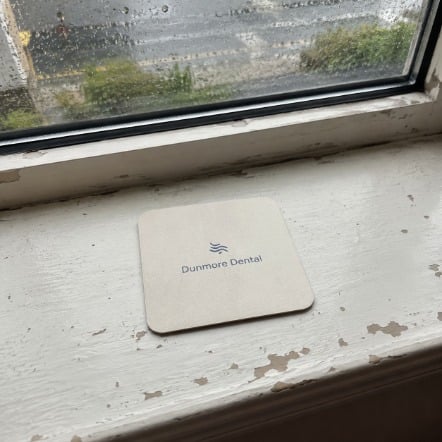
Get your mockup and quote within one business day.
Questions buyers ask before ordering
What is the minimum order?
How fast will my custom bar coasters arrive?
Why do bar coasters curl?
What board do you use?
Do you print both sides?
Can you cut a custom shape?
Do you offer recycled or compostable board?
Do you make cork, stone, wood or neoprene coasters?
Guides for buyers and brands
Create your custom bar coasters now.
Send your logo or artwork and your quantity — you’ll get a free mockup and quote within one business day.
Get a QuoteWin Free Stuff
Enter below for a chance to win plus receive 10% off your first order.
🎉 You are in!
We will text you your 10% off code. Good luck!